


Eteri Tutberidze: “Athletes often start taking on the role of victim; pity gets a quicker emotional response, but for me pity is unacceptable – it’s humiliating.”
Eteri Tutberidze on discipline, leadership, and why she considers pity a form of humiliation
original source: Sports / Sports
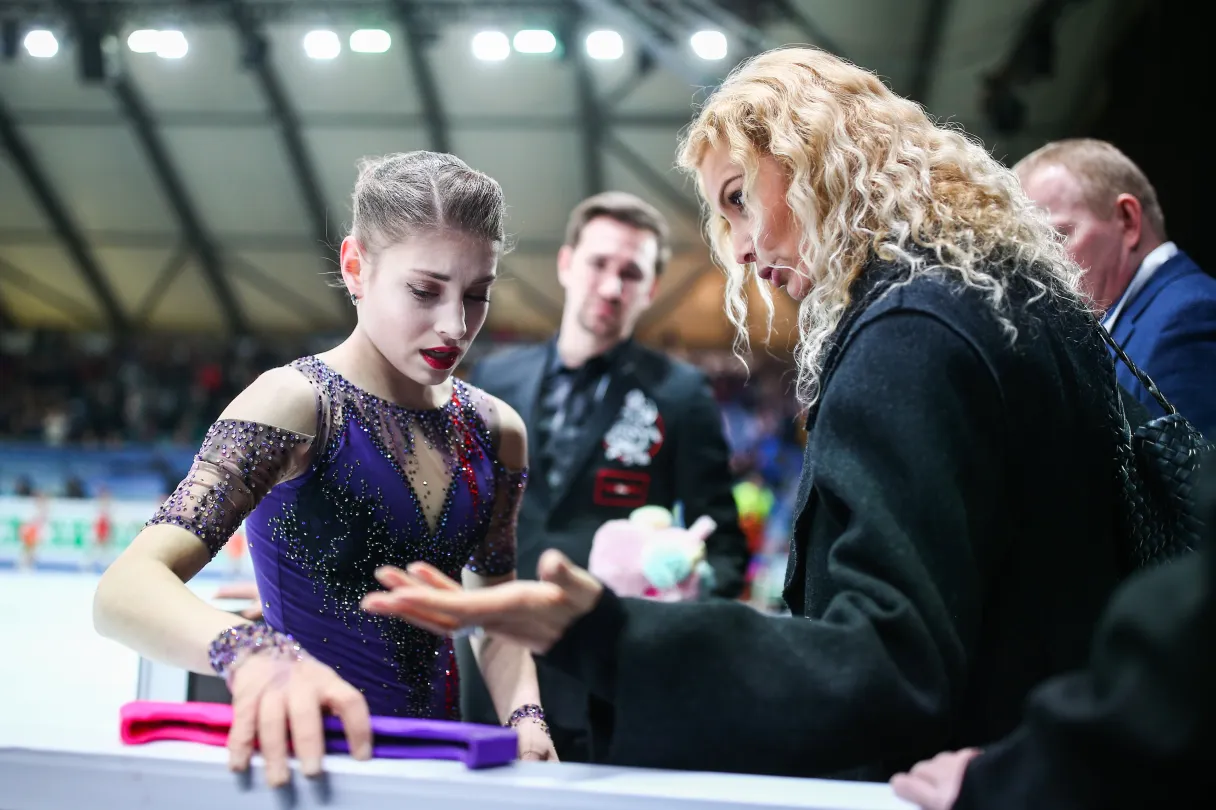
In an interview with Editorial Opinion, Eteri Tutberidze addressed her reputation for being demanding, her leadership philosophy, and her stance against pity in professional sports. Here are a translation.
“I Am Demanding Toward the People I Work With”
When asked about her coaching style and the fear she often evokes in others, Tutberidze acknowledged her strict approach:
“Q: People are afraid of you. Before this interview, my entire editorial team wished me luck—some even jokingly suggested bringing holy water.”
Tutberidze responded with humor but made it clear that her standards are high:
“Eteri Tutberidze: I can get angry, but it’s usually with the people I work with. I am demanding. If we’re working together, there has to be discipline. Every team member needs to understand their responsibilities and complete their tasks.”
When asked whether she ever feels she has been too harsh, Tutberidze admitted:
“Of course, I might say something stricter than necessary, but I don’t think I cross the line. And, well ha-ha —rule number one: the boss is always right. If the boss is wrong, refer to rule number one.”
“Pity Is a Form of Humiliation”
Tutberidze also spoke about her views on showing pity in sports, particularly toward young athletes, sharing her belief that pity undermines strength and resilience:
“Q: Why does everyone want to pity young athletes? Where does this mindset come from?”
She explained this phenomenon as a cultural tendency:
“Eteri Tutberidze: Historically, in Russia, people either pity or criticize. As a result, the people around young athletes – sometimes even the athletes themselves – begin adopting a victim mentality. This is because pity tends to draw quicker emotional responses. But this makes it seem like sports are a form of voluntary suffering.”
When asked if she ever evokes or feels pity herself, Tutberidze was resolute: “No, I don’t evoke pity – ha-ha.”
Pressed further on whether she ever indulges in self-pity, Tutberidze admitted: “Perhaps I feel sorry for myself internally sometimes, but never in professional matters. And besides, why pity myself? Pity is humiliation, and for me, it is unacceptable.”
Related topics: Eteri Tutberidze
Leave a Reply